· The Forkpie team
Reading EU food labels: a 3-minute guide
The traffic-light colours, the "adult" numbers behind them, and the one figure that actually matters for kids.
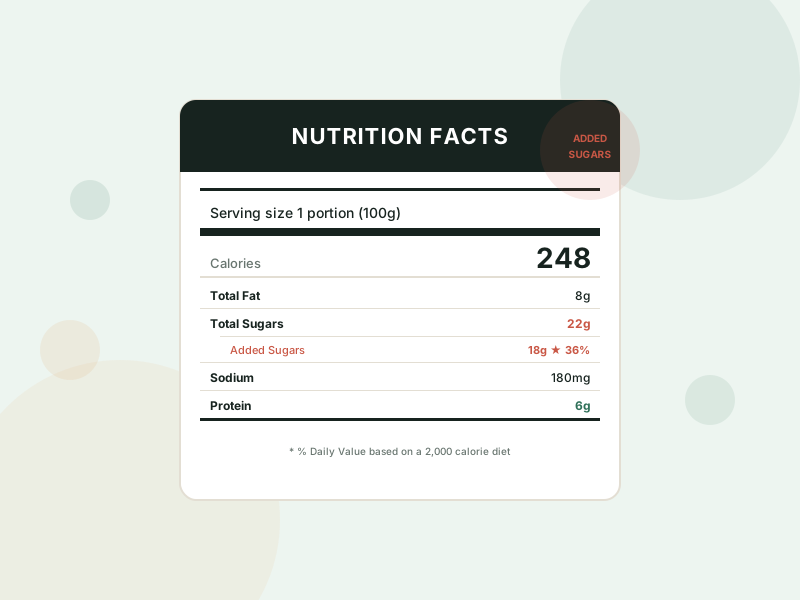
EU nutrition labels follow a standard format, but knowing which number to look at makes a real difference when you're scanning a supermarket shelf with a toddler in the trolley.
The traffic lights are set for adults
Many UK and EU products show a traffic-light summary on the front of pack. Red means high, green means low — but those colours are worked out against what a grown adult eats in a day. A "green" sugar score for an adult can still be a big chunk of what a 4-year-old should have all day.
The more reliable approach for kids: find the "per serving" sugar line and convert it to teaspoons (divide grams by 4). That's the number you can actually picture.
What "added sugars" means
Since 2021, EU labels must list added sugars separately from total sugars. Total sugars includes the naturally occurring sugars in fruit and milk; added sugars is the extra sweetness manufacturers put in. The guidance for children is about the added kind — so that's the number to watch.
The ingredients list tells a different story
Ingredients are listed by weight, heaviest first. If a form of sugar (syrup, concentrate, dextrose) appears in the first three ingredients, there's a lot of it in there — whatever the headline figure says.
One small habit: read the ingredients list of one new product per shop. After a month, you'll have a much clearer picture of what's in the foods your family buys most often.
Want to try Forkpie with your child?
Take a photo of the plate. Forkpie helps you understand what’s on it and offers a simple idea for the next meal.