Forkpie insight
How varied are this week’s meals?
Looking at meals together makes it easier to see what repeats and what else you might try.
A week can feel varied as you go: a different breakfast, another dinner, a few snacks. But listing the foods may reveal the same ingredients coming up often. A view of the whole week helps you find room for something different without rethinking every meal.
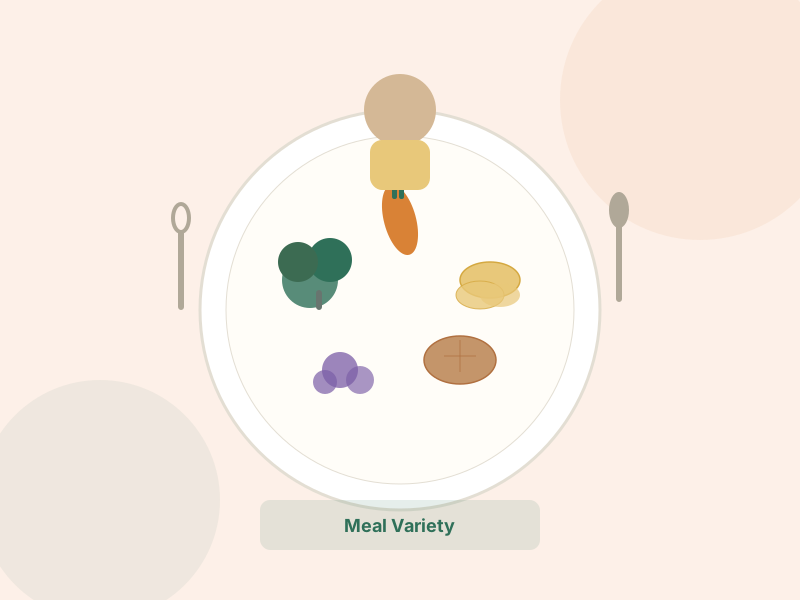
The familiar meals, Monday to Friday
During busy weeks, it’s natural to return to meals you know work. They’re easy to prepare and your child accepts them. Over time, other foods can disappear from the menu without you noticing. A meal history can help you see what stayed and what you could bring back.
Variety builds a little at a time
Different foods bring different nutrients, flavours and textures. You don’t need to change the whole menu at once. Start with a new ingredient beside a familiar one, or another vegetable in a meal you already make. Look for changes that fit your family.
Tastes develop over time
Children discover tastes and textures gradually. A food can become more familiar each time they encounter it, even if they don’t taste it straight away. Preferences can change later too, so today’s refusal doesn’t have to mean a food disappears from the menu for good.
Ideas that fit a busy week
Kipi starts with the meals you add and suggests something easy to include: a different vegetable beside the usual one, another texture or a seasonal food. Choose what suits you and try it when you have the chance. More variety doesn’t have to mean cooking something completely new every day.
Look back at last week’s meals
List the foods your child ate over the past few days. Which vegetables, protein foods and textures appear? The list can help you choose one new thing to try.
No score. No verdict. Forkpie gives you information — you decide what to do with it.

See what your kid actually eats
Take a photo of the plate. Forkpie helps you understand what’s on it and offers a simple idea for the next meal.