Bone Up on Nutrition: The Diet That Strengthens Your Skeleton
Strong, healthy bones are the foundation of an active life. As we age, maintaining bone health becomes crucial to prevent conditions like osteoporosis, fractures, and joint pain. While genetics play a role, your diet is one of the most powerful tools for building and preserving bone strength.
If you want to keep your bones strong and resilient, the right nutrients can make all the difference. Let’s explore the foods that provide essential building blocks for healthy bones and how simple dietary changes can boost your bone health for years to come.
1. Calcium: The Building Block of Bones
Calcium is a key component of bone structure, making it the most important mineral for bone health. About 99% of your body’s calcium is stored in your bones and teeth, where it supports their structure and function. Getting enough calcium throughout your life helps maximize bone density and reduce the risk of bone-related conditions as you age.

Calcium-rich foods to add to your diet:
- Dairy products: Milk, yogurt, and cheese are excellent sources of calcium.
- Fortified plant-based milk: Almond, soy, and oat milk often come fortified with calcium.
- Leafy greens: Kale, bok choy, and collard greens contain good amounts of calcium.
- Fish with edible bones: Canned sardines and salmon provide calcium from the bones.
- Tofu and tempeh: These soy-based foods can be good plant-based sources of calcium.
2. Vitamin D: Helping Your Body Absorb Calcium
Calcium can’t do its job without vitamin D, which helps your body absorb and retain it. This vitamin is crucial for maintaining bone density and strength, as well as supporting muscle function, which can help prevent falls and fractures.
Ways to boost your vitamin D intake:
- Sunlight: Your skin makes vitamin D when exposed to sunlight, so spending time outdoors can help.
- Fatty fish: Salmon, mackerel, and tuna are good sources of vitamin D.
- Egg yolks: While modest in content, they can contribute to your daily needs.
- Fortified foods: Many cereals, plant-based milks, and orange juices are fortified with vitamin D.
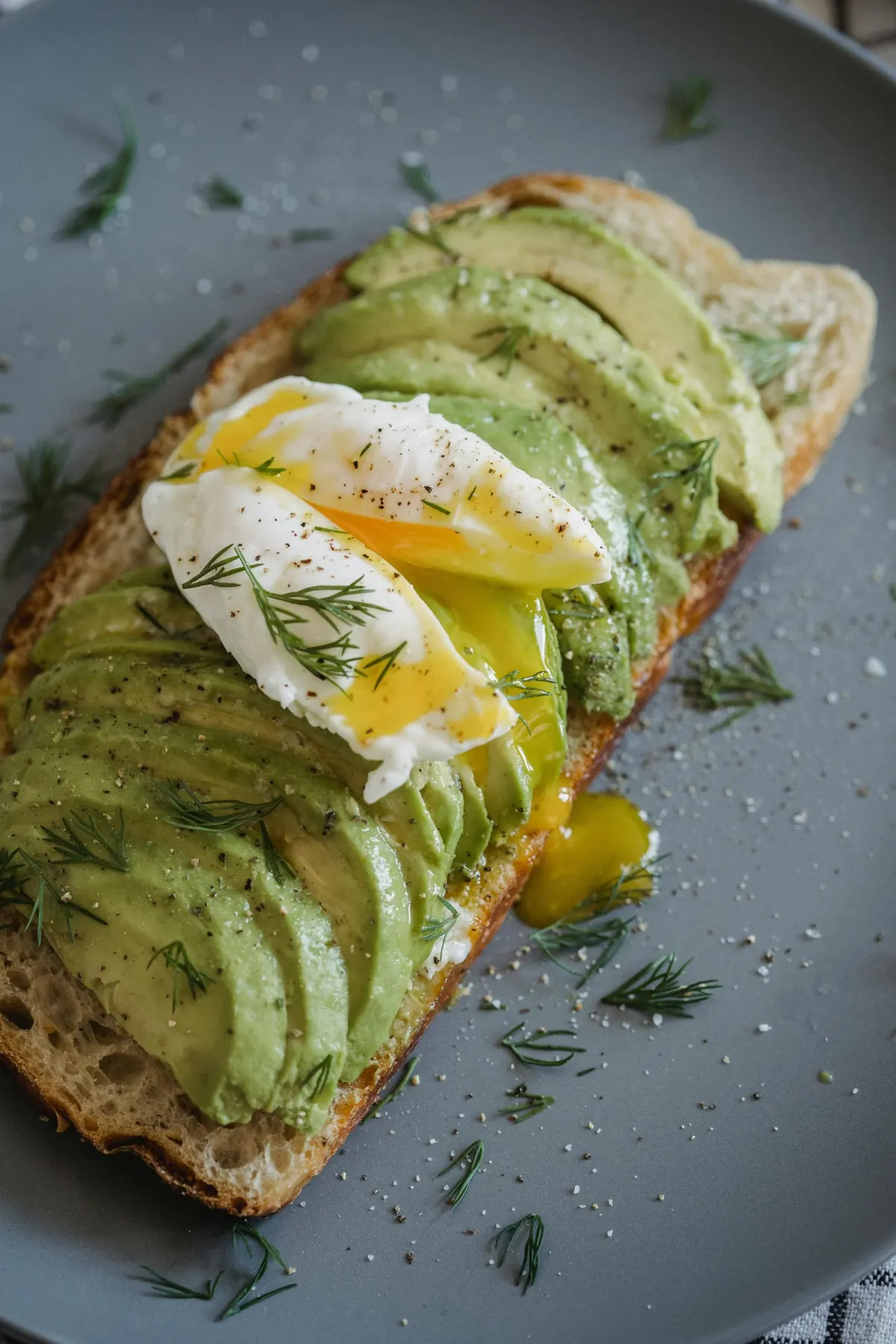
3. Protein: Supporting Bone Structure
Protein makes up about one-third of bone mass, so getting enough of it is important for maintaining bone strength. While excessive protein intake without adequate calcium can lead to bone loss, a balanced diet with sufficient protein supports bone health.
Choose these protein-rich foods:
- Lean meats: Chicken, turkey, and lean cuts of beef.
- Fish: Particularly fatty fish for the added benefit of vitamin D.
- Dairy products: Not only do they provide calcium, but they are also a great source of protein.
- Legumes and beans: Lentils, chickpeas, and black beans offer plant-based protein.
- Nuts and seeds: Almonds, chia seeds, and sunflower seeds contain both protein and healthy fats.
4. Magnesium: The Unsung Hero for Bone Health
Magnesium helps convert vitamin D into its active form, allowing for better calcium absorption. It’s also stored in your bones, where it plays a structural role.
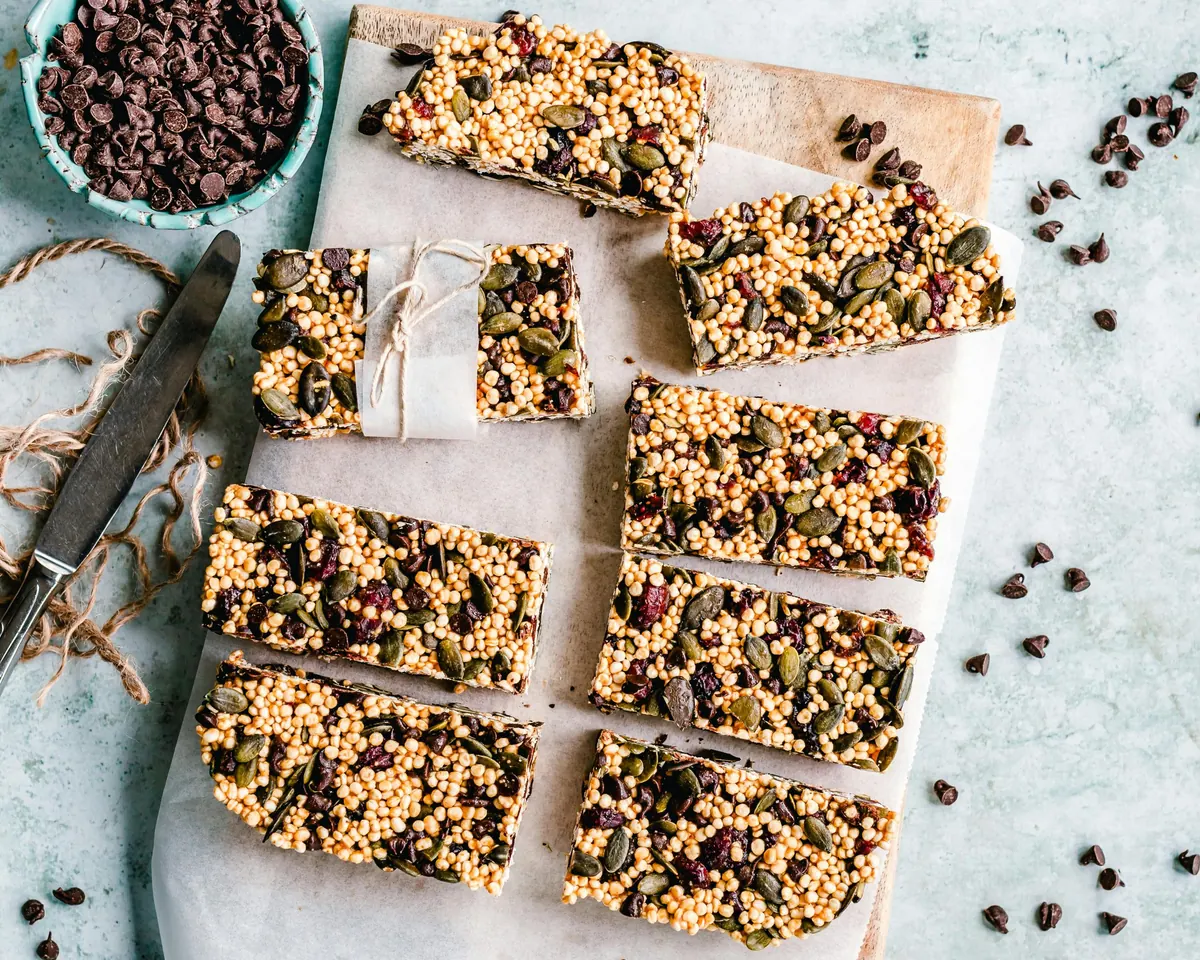
Incorporate magnesium-rich foods like:
- Dark leafy greens: Spinach, Swiss chard, and kale.
- Nuts and seeds: Almonds, pumpkin seeds, and flaxseeds.
- Whole grains: Brown rice, quinoa, and oats.
- Avocados: Packed with healthy fats and magnesium.
- Legumes: Beans, lentils, and chickpeas.
5. Vitamin K2: The Bone-Binding Vitamin
Vitamin K2 helps activate proteins that bind calcium to the bone, making it essential for bone mineralization. It may also reduce the risk of fractures by improving bone strength.
Foods to add for more vitamin K2:
- Fermented foods: Natto, a traditional Japanese dish made from fermented soybeans, is particularly high in K2.
- Cheese: Hard cheeses like Gouda and Swiss contain K2.
- Egg yolks and butter from grass-fed animals.
6. Omega-3 Fatty Acids: Reducing Bone Inflammation
Omega-3 fatty acids, known for their anti-inflammatory properties, can help reduce bone loss associated with aging and chronic conditions. They may also enhance bone density.

Omega-3-rich foods to consider:
- Fatty fish: Salmon, mackerel, sardines, and trout.
- Walnuts: An easy plant-based snack high in omega-3s.
- Chia seeds and flaxseeds: Add them to smoothies or yogurt.
- Algae oil: A plant-based omega-3 supplement.
7. Limit These for Healthier Bones
Just as some nutrients support bone health, others can weaken it. Being mindful of the foods and drinks that negatively impact bones can help you maintain strong bones.
Here’s what to limit:
- Excessive salt: High sodium intake can cause calcium loss through urine. Try reducing processed foods and using herbs to season your meals.
- Sugary beverages: Especially soda, which may contain phosphoric acid that can negatively impact bone health.
- Excessive caffeine: While moderate coffee consumption is generally safe, too much caffeine can hinder calcium absorption.
- Alcohol: Chronic heavy drinking can reduce bone formation and lead to bone loss over time.
8. Stay Active for Bone Health
Though it isn’t food-related, it’s important to mention the role of exercise in bone health. Weight-bearing and resistance exercises, like walking, jogging, yoga, and strength training, stimulate bone remodeling and strengthen muscles, which support and protect bones.
9. Hydrate with Bone-Boosting Beverages
While water is essential for overall health, some beverages can offer additional benefits for bones.
Try these bone-friendly drinks:
- Fortified plant-based milks: Almond, soy, or oat milk fortified with calcium and vitamin D.
- Green tea: Rich in antioxidants that may support bone health.
- Smoothies: Made with yogurt, leafy greens, and a handful of nuts or seeds can be a nutrient-dense way to support bone health.
Conclusion: Build Your Bone Health, One Bite at a Time
Strong bones aren’t built overnight, but with the right diet, you can set the stage for lifelong bone health. By focusing on nutrient-dense foods rich in calcium, vitamin D, protein, magnesium, vitamin K2, and omega-3s, you’ll be giving your skeleton the support it needs to stay strong and resilient.
Healthy bones are about balance—nourish your body with bone-boosting nutrients while avoiding excess salt, sugar, caffeine, and alcohol. Pair your diet with regular exercise to keep your bones in top shape, and you’ll be well on your way to a future filled with strength and vitality.
Remember, the journey to healthy bones starts at your plate, so “know your food” and choose wisely!
Want to try Forkpie with your child?
Take a photo of the plate. Forkpie helps you understand what’s on it and offers a simple idea for the next meal.