Diabetes on Your Plate: Eat Smart, Live Well!
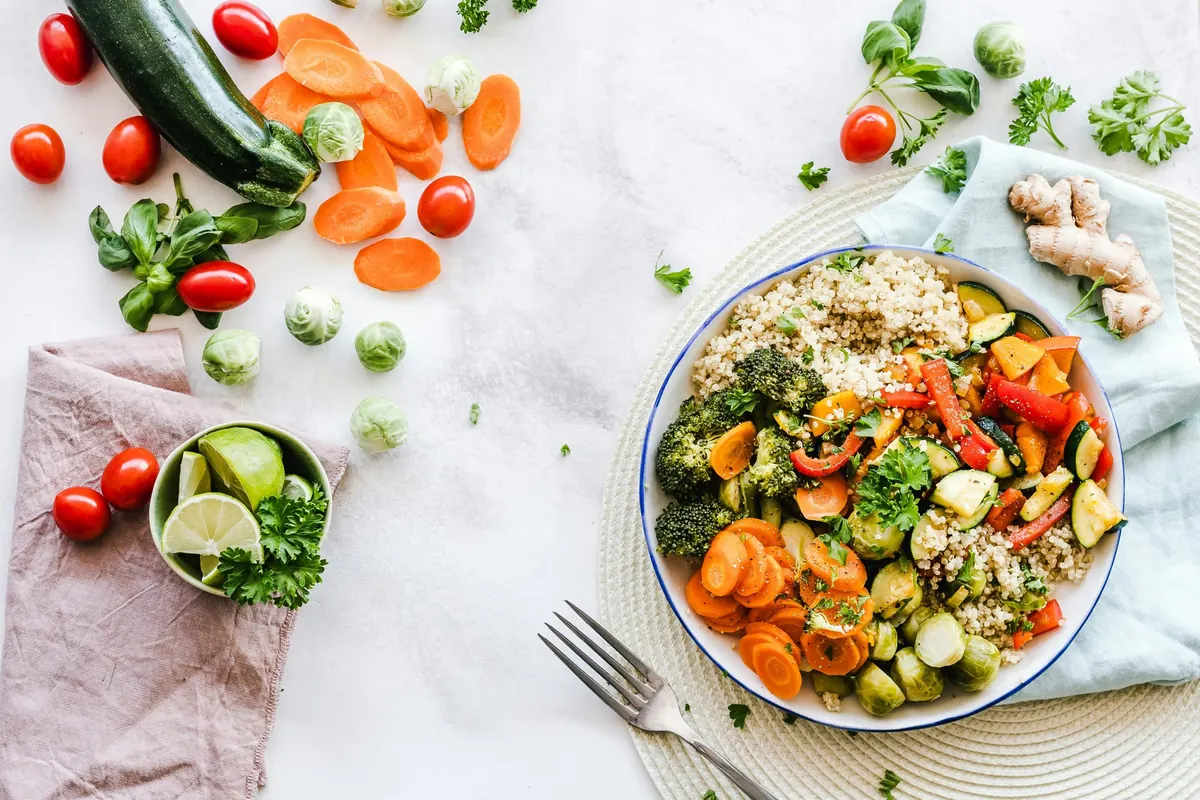
In today’s fast-paced world, more people are facing the challenges of managing diabetes. But here’s the good news: there’s a powerful tool within our control to help manage blood sugar levels and support long-term health – food! The foods we choose to eat can make a big difference in managing diabetes. With the right knowledge, you can transform your diet into a delicious, diabetes-friendly plan. Let’s dive into some evidence-based nutritional strategies that support diabetes management and overall health.
1. Know Your Carbs – The Right Kind Makes All the Difference
Carbohydrates play a big role in blood sugar management, as they directly impact glucose levels. But not all carbs are created equal! Here’s where the concept of the glycemic index (GI) and glycemic load (GL) comes into play.
The GI is a scale that ranks foods on how quickly they raise blood sugar. High-GI foods, like white bread, sugary cereals, and soda, are digested quickly, causing blood sugar to spike. Low-GI foods, such as whole grains, beans, and most fruits and vegetables, break down more slowly, providing a gradual release of sugar into the bloodstream.
A 2020 study published in Diabetes Care found that consuming a low-GI diet helped reduce blood sugar fluctuations and improve long-term glucose control in people with diabetes. By choosing whole grains, legumes, and non-starchy vegetables, you can keep your blood sugar more stable while still enjoying carbs.
Simple tip: Swap refined grains with options like quinoa, whole-grain oats, or barley. Try to include beans, lentils, and a variety of vegetables in your daily meals for longer-lasting energy.
More information about GI (Glycemic index): https://forkpie.com/the-low-gi-food-revolution/
2. Fiber – Your Blood Sugar’s Best Friend

Fiber is a powerhouse for people managing diabetes. Not only does it help with digestion and keeping you full, but it also slows the absorption of sugar, helping prevent rapid spikes. Foods high in fiber, such as whole grains, fruits, vegetables, and legumes, can lead to better blood sugar control, according to research in The Journal of Clinical Endocrinology & Metabolism.
Most people need around 25 to 30 grams of fiber daily, but those managing diabetes may benefit from getting even more. Both soluble fiber (found in oats, nuts, seeds, and beans) and insoluble fiber (found in whole grains and vegetables) are beneficial.
Simple tip: Start your day with a fiber-rich breakfast like oatmeal topped with chia seeds and berries, or a whole-grain toast with avocado and sliced veggies.
3. The Power of Protein – Stabilizing and Satisfying
Including adequate protein in meals can help manage blood sugar levels by slowing down the digestion of carbohydrates. Protein provides a steady source of energy, supports muscle health, and helps keep you full, which can prevent overeating and unhealthy snacking. A study published in Nutrients in 2018 showed that a balanced diet with moderate protein helped improve insulin sensitivity in adults with type 2 diabetes.
Aim to include lean protein sources in each meal. Options like skinless poultry, fish, eggs, Greek yogurt, tofu, and legumes are great choices that provide high-quality protein without adding unnecessary fats.
Simple tip: Try a veggie stir-fry with tofu or a colorful salad topped with grilled chicken or beans for a filling, protein-packed meal.

4. Heart-Healthy Fats – Beneficial Choices for Diabetes
Not all fats are harmful; in fact, certain fats are beneficial for heart health and can aid in blood sugar management. Unsaturated fats (found in foods like olive oil, avocados, nuts, and seeds) have been shown to reduce inflammation, improve heart health, and may even help regulate blood sugar.
Research published in The American Journal of Clinical Nutrition shows that a diet rich in healthy fats, particularly monounsaturated fats (like those found in olive oil and avocados), can improve insulin sensitivity. This is crucial, as people with diabetes have a higher risk of heart disease.
Simple tip: Swap saturated fats like butter with olive oil in your cooking, and add a handful of nuts or seeds to your salads or snacks for a dose of healthy fats.
5. Hydrate Smartly – The Right Drinks Count Too
Staying hydrated is essential, but it’s important to choose your beverages wisely. Sugary drinks, like sodas and fruit juices, can quickly spike blood sugar and add empty calories. Research suggests that people with diabetes who replace sugary beverages with water or unsweetened drinks see better blood sugar control and lower risk of complications.
Stick to water, herbal teas, or drinks infused with natural flavors from lemon, mint, or cucumber. Even low-calorie, zero-sugar options like sparkling water can make hydration enjoyable.
Simple tip: Keep a water bottle with you at all times and aim for at least 8 glasses a day. Try adding fresh fruits or herbs to your water for a refreshing twist.
6. Mindful Eating – Bringing Awareness to Your Plate
A growing body of research supports mindful eating as a tool for diabetes management. Mindful eating encourages you to slow down, savor your food, and listen to your body’s hunger and fullness cues. This can help reduce overeating and make you more aware of food choices.
In one study, participants who practiced mindful eating reported improved blood sugar levels and reduced stress, which can further support diabetes management. Eating mindfully can be as simple as sitting down at the table, taking a few deep breaths before eating, and really focusing on the taste, texture, and enjoyment of your meal.
Simple tip: Set aside time for meals without distractions like TV or smartphones. This lets you truly enjoy your food and helps prevent mindless snacking.
Final Thoughts: Embrace a Balanced, Enjoyable Approach

While managing diabetes involves mindful food choices, it doesn’t have to feel restrictive or overwhelming. Small changes, like choosing whole grains over refined ones or adding more fiber-rich foods, can have a big impact on your health. It’s all about balance and enjoying the journey toward healthier eating.
Remember, the goal is not only to control blood sugar but to build a diet that feels sustainable, satisfying, and joyful. You deserve to enjoy food, knowing that each bite can fuel your body and support your well-being. So, get creative in the kitchen, savor each meal, and celebrate your journey toward a healthier, diabetes-friendly lifestyle. Know your food, fuel your health!
Want to try Forkpie with your child?
Take a photo of the plate. Forkpie helps you understand what’s on it and offers a simple idea for the next meal.