Eat to Beat Ulcers: The Diet That Protects Your Stomach


Peptic ulcers are painful sores that develop on the lining of the stomach, small intestine, or esophagus. They often occur due to factors like stress, the use of certain medications, or bacterial infections like Helicobacter pylori (H. pylori). But did you know that what you eat can play a crucial role in preventing these pesky ulcers from forming—or even help heal them?
Adopting a diet that promotes gut health and reduces stomach irritation can be a game-changer for people looking to prevent or manage peptic ulcers. Let’s explore the foods that soothe the stomach, boost healing, and make mealtimes more comfortable.
1. Get Gut-Friendly with a Mediterranean Twist
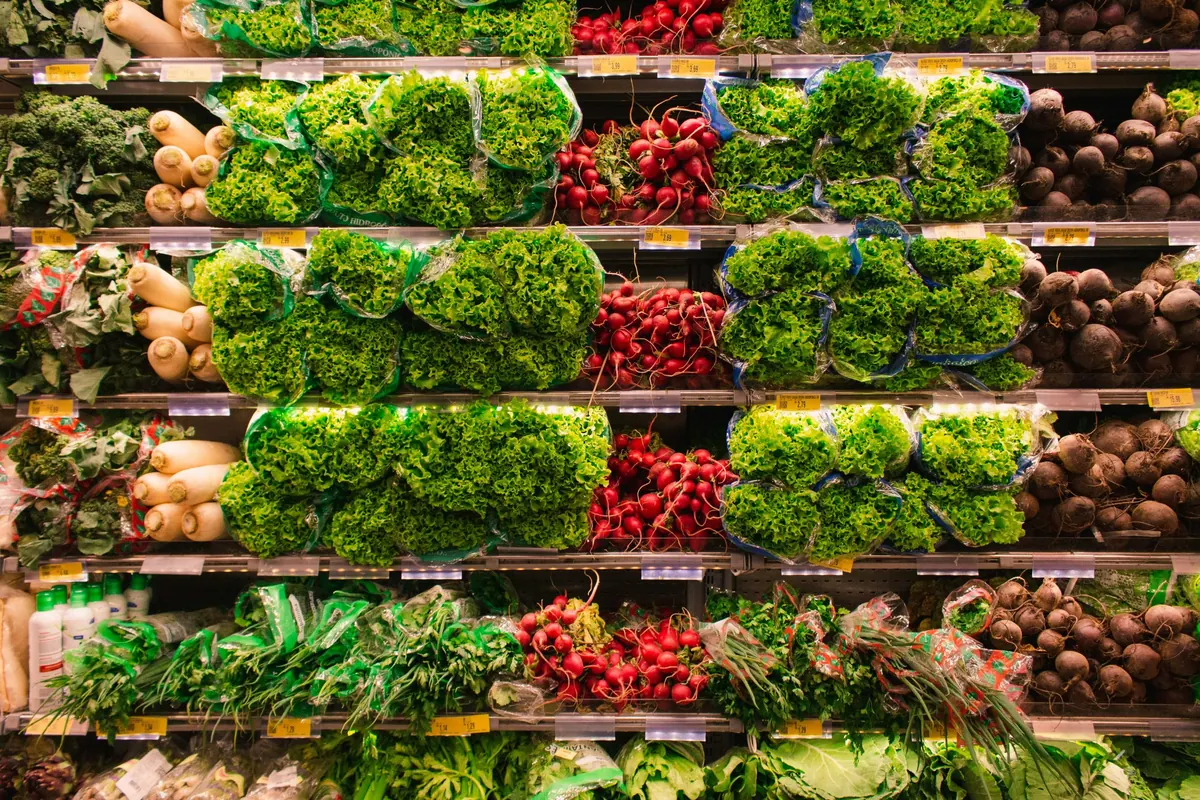
The Mediterranean diet is one of the best dietary patterns for overall health and has been linked to lower rates of digestive problems, including ulcers. The diet emphasizes whole foods like fresh fruits, vegetables, whole grains, lean proteins (especially fish and poultry), healthy fats (like olive oil), and nuts. This combination provides ample antioxidants, fiber, and essential nutrients that help reduce inflammation in the stomach lining, promoting healing and reducing the risk of ulcers.
Here’s why it works:
- Rich in Antioxidants: Fruits and vegetables like berries, leafy greens, and bell peppers are packed with vitamins A and C, which protect the stomach lining from damage caused by free radicals.
- High in Fiber: Whole grains such as oats, quinoa, and brown rice, along with fiber-rich fruits and vegetables, aid digestion and support healthy gut bacteria. A healthy digestive system is less prone to the development of ulcers.
- Healthy Fats: Olive oil, nuts, and seeds are rich in anti-inflammatory properties, helping soothe an irritated stomach.
2. Probiotics: Your Stomach’s Best Friend
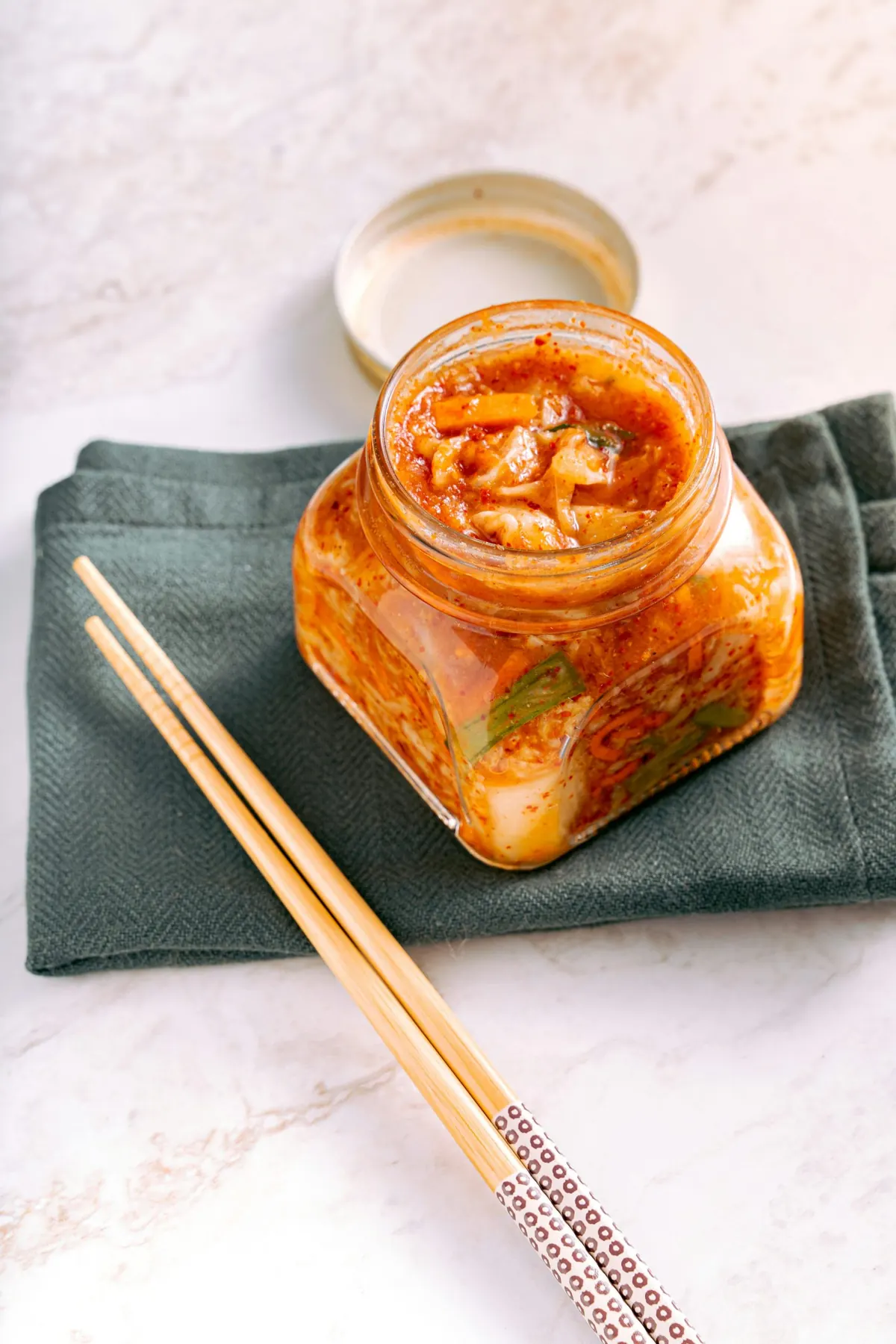
Probiotics are beneficial bacteria that naturally inhabit your gut. They help balance the gut microbiome and play a role in defending against H. pylori, a common cause of peptic ulcers. Including probiotic-rich foods in your diet can support digestive health and may even help reduce the severity of symptoms if you have an ulcer.
Add these to your daily diet:
- Yogurt with live cultures
- Kefir
- Sauerkraut
- Kimchi
- Miso
- Tempeh
These fermented foods not only boost the good bacteria in your gut but also help reduce inflammation and promote healing of the stomach lining.
3. Opt for Lean Proteins
Proteins are essential for repair and healing, but some sources can be harsh on the stomach, especially if they are fatty or fried. Lean protein sources are easier on your digestive system and can help prevent stomach irritation.
Try:
- Chicken (skinless)
- Turkey
- Fish (especially fatty fish like salmon that are rich in omega-3 fatty acids)
- Eggs
- Tofu and legumes (lentils, chickpeas, and beans)
These lean protein sources provide the building blocks your body needs to repair tissue while being gentle on your stomach.
4. Herbal Teas: Natural Soothers

Certain herbal teas have been traditionally used to calm an upset stomach and may even help reduce ulcer symptoms. Herbal teas are a great way to stay hydrated and soothe irritation.
- Chamomile tea is known for its anti-inflammatory properties and may help soothe the digestive tract.
- Licorice root tea contains compounds that may promote the production of mucus, which protects the stomach lining from acid.
- Ginger tea can help reduce nausea and support overall digestive health.
These teas can be sipped throughout the day to keep your digestive system calm and nourished.
5. Foods to Avoid for a Happier Gut
Just as some foods can help heal and protect the stomach, others can aggravate it. Avoiding foods that trigger stomach acid production and irritate the lining is key.
- Spicy foods: They can trigger heartburn and increase stomach discomfort.
- Caffeine: Found in coffee, chocolate, and some teas, it can stimulate stomach acid production.
- Alcohol: Known to irritate the stomach lining, it’s best avoided.
- Fried and fatty foods: These can slow down digestion and put additional strain on the stomach.
- Acidic foods: Citrus fruits and tomato-based products can increase acidity and irritate the stomach.
6. Embrace Regular, Balanced Meals
Eating smaller, more frequent meals can help reduce stomach acid production and ease the digestive process. This approach ensures that your stomach is not empty for long periods, which can increase irritation and the risk of ulcer development. Aim for balanced meals that include a combination of fiber, lean proteins, and healthy fats to maintain steady energy levels and keep your gut happy.
7. Stay Hydrated—But Time It Right
Drinking plenty of fluids is important for overall health and digestion, but timing matters. Avoid drinking large amounts of water right before or during meals, as it can dilute stomach acids needed for digestion. Instead, sip water throughout the day, and have a glass about 30 minutes before meals to help your body prepare for digestion.
Conclusion: Healing Begins on Your Plate
Preventing or managing peptic ulcers is not just about avoiding certain foods—it’s about embracing a gut-friendly diet that promotes healing and reduces inflammation. A balanced approach with a Mediterranean-inspired eating plan, probiotics, lean proteins, and herbal teas can help you “eat to beat” ulcers and enjoy a healthier, more comfortable life.
Remember, it’s always best to consult with your healthcare provider before making any significant changes to your diet, especially if you have an existing health condition like peptic ulcers. The right diet can be a powerful ally in preventing and healing stomach issues, so take charge, and know your food!
Want to try Forkpie with your child?
Take a photo of the plate. Forkpie helps you understand what’s on it and offers a simple idea for the next meal.