Nourish yourself and your baby
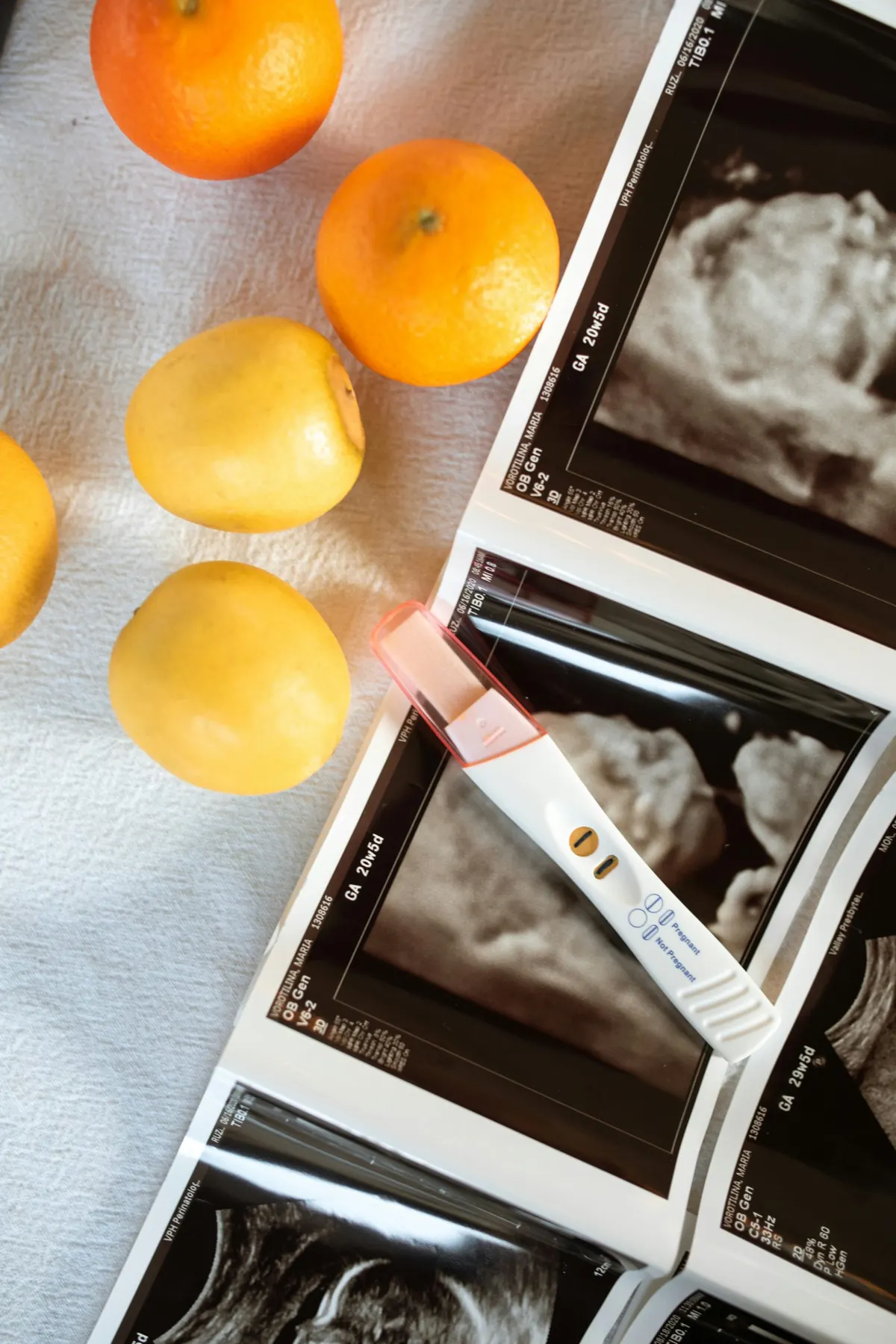
When you’re pregnant, your body is doing something truly amazing: growing a tiny human! And with this big job comes an avalanche of questions, especially when it comes to food and nutrition. What’s safe to eat, what’s not, and how much do you really need? Here are some of the most common questions pregnant women have about their diets — and answers to keep you and your baby healthy and happy!
1. What Foods Should I Avoid During Pregnancy?
It can be hard to keep track of which foods are off-limits when you’re expecting. Here’s a quick rundown:
- Raw or undercooked meat, seafood, and eggs (like sushi or rare steak) — these can carry harmful bacteria.
- High-mercury fish like swordfish and king mackerel. Instead, try salmon, trout, or sardines for safe, omega-3-rich options.
- Unpasteurized dairy and certain soft cheeses (like Brie and feta) — these can carry listeria.
- Caffeine — limit to 200 mg a day, or about one 12-ounce coffee.
2. How Much Weight Should I Gain, and How Should I Divide My Calories?
Healthy weight gain during pregnancy is usually between 25-35 pounds if you start at a normal weight. But this isn’t just about eating for two. Think of it as “eating smart for two.” Here’s how calorie needs change:
- First trimester: No extra calories needed yet!
- Second trimester: About 300 extra calories per day.
- Third trimester: Around 450-500 extra calories daily.
Focus on nutrient-packed foods like lean proteins, whole grains, and fresh veggies.
3. Which Nutrients Are Essential During Pregnancy?
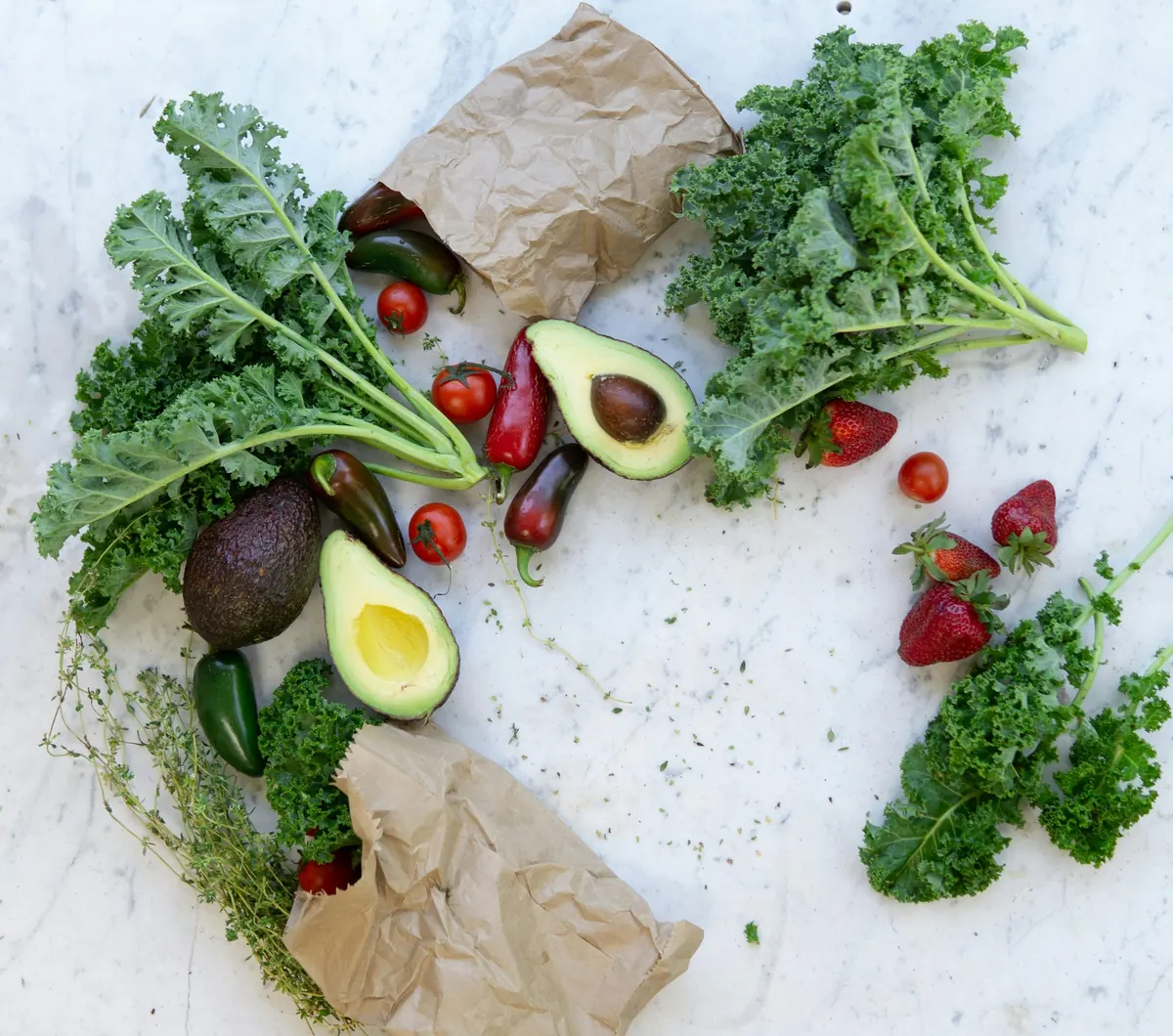
Here’s a quick look at the “big three” nutrients you’ll want to keep on your radar:
- Folate (or Folic Acid): Vital for brain and spinal cord development. Leafy greens, lentils, and fortified cereals are great sources.
- Iron: Necessary for oxygen flow to the baby. Boost iron intake with foods like lean meats, beans, and spinach.
- Calcium: Important for building strong bones and teeth. Dairy products, fortified plant milks, and leafy greens are excellent options.
4. Can I Eat Fish? Isn’t It High in Mercury?
Yes, fish can be part of a healthy pregnancy diet! Stick to low-mercury fish like salmon, trout, and sardines, which are packed with omega-3 fatty acids that help your baby’s brain develop. Limit fish to 2-3 servings per week and avoid high-mercury fish like swordfish and shark.
5. What About Cravings and Aversions?
If you’re craving pickles or even chocolate, you’re not alone! Cravings are common and usually harmless in moderation. If you find yourself repulsed by healthy foods like meat or vegetables, try substitutes. For instance:
- Swap meat for beans or eggs for protein and iron.
- If greens don’t sit well, try smoothies to sneak them in!
6. Can I Still Have My Morning Coffee?
Yes, but it’s best to limit caffeine to about 200 mg per day (about one 12-ounce coffee). Too much caffeine has been linked to preterm birth and miscarriage, so consider switching to decaf or sipping herbal teas for that cozy morning ritual.
7. Do I Really Need a Prenatal Vitamin?
Yes! While a balanced diet provides many nutrients, a prenatal vitamin fills in the gaps, especially for folic acid, iron, and sometimes DHA (for brain development). It’s a simple way to help ensure you’re covering all bases.
8. How Can I Manage Nausea and Still Eat Healthily?
Morning sickness can make eating tough, especially in the first trimester. Here are some tips:
- Small, frequent meals to avoid an empty stomach.
- Bland, easy-to-digest foods like crackers, toast, and bananas can help.
- Ginger (tea, candy, or ginger ale) is a popular nausea remedy.
- Foods high in Vitamin B6 (like whole grains and nuts) may also help ease nausea.
9. How Much Water Should I Be Drinking?
Pregnancy increases your hydration needs, so aim for about 8-12 cups of water per day (2-3 liters). Staying hydrated helps with digestion, keeps amniotic fluid levels steady, and can even help prevent constipation.
10. Can I Eat Nuts If I Have a Family History of Allergies?
Yes, you can enjoy nuts! In fact, research shows that eating nuts during pregnancy might even reduce the risk of your child developing allergies. Just check with your doctor if you have a personal nut allergy.
11. What’s the Best Way to Prevent Constipation?
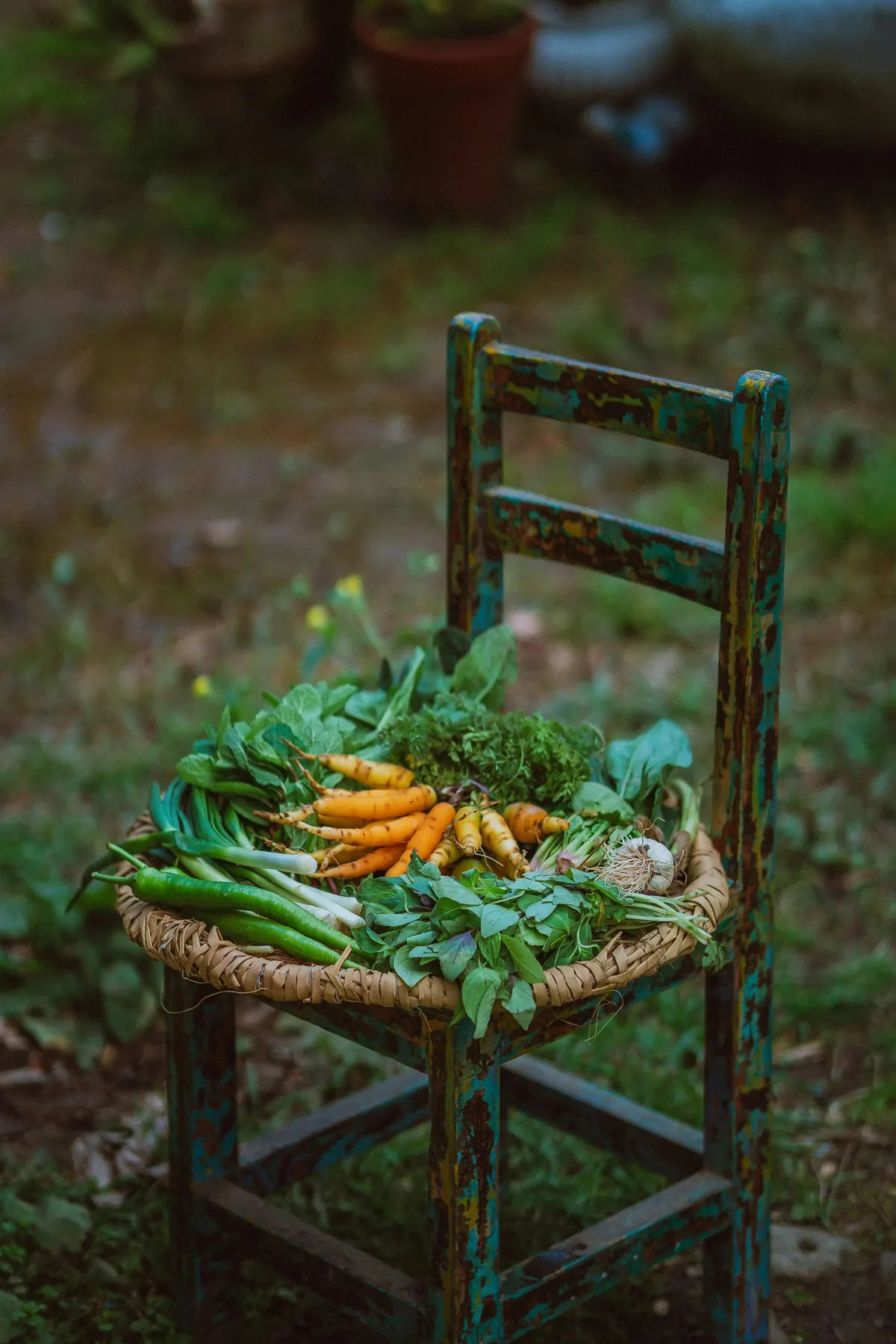
Constipation is common during pregnancy, but a few tweaks can help:
- Eat plenty of fiber-rich foods like fruits, veggies, and whole grains.
- Stay hydrated.
- Light exercise, like walking, can also keep things moving.
If constipation becomes an issue, talk to your healthcare provider about safe options.
12. Should I Eat Organic Foods?
Eating organic is a personal choice, and it’s not essential to have a healthy pregnancy. The most important thing is to eat a variety of fresh fruits and vegetables — organic or not. If you’re concerned about pesticides, wash produce well or focus on the “Clean Fifteen” list, which highlights fruits and vegetables with lower pesticide residues.
Final Thoughts: Listen to Your Body and Enjoy the Journey
Eating well during pregnancy is all about balance, nutrient-rich choices, and listening to your body’s signals. Don’t stress over every single meal — instead, focus on a variety of whole foods, lots of water, and those important prenatal vitamins. And remember, if you have any concerns, your healthcare provider is there to guide you every step of the way.
Happy, healthy eating for you and your little one!
Want to try Forkpie with your child?
Take a photo of the plate. Forkpie helps you understand what’s on it and offers a simple idea for the next meal.