Forkpie insight
Same three foods, every single night
When your child accepts only a few foods, mealtimes can be tiring for the whole family.
You’ve tried putting vegetables in pasta sauce, making the plate more appealing and offering the same food several times. Still, the list of accepted foods seems to be getting shorter. If that sounds familiar, you’re not alone: many families go through periods when mealtimes take a lot of patience.
It’s not just your imagination
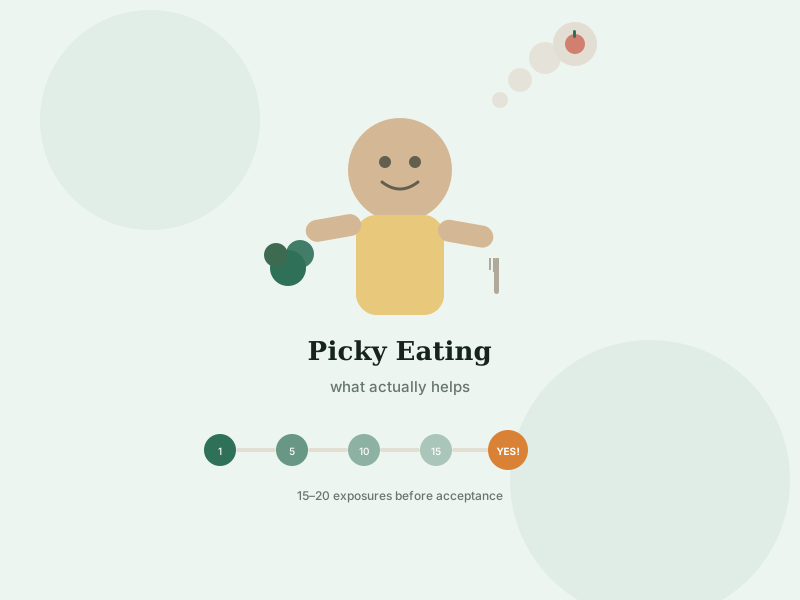
Many children go through periods when they accept only a few foods. Taste, smell, texture and wanting to make their own decisions can all influence what they choose to eat. Refusing a new food does not, on its own, mean you’re doing something wrong. If the range of foods your child accepts worries you, talk to a professional who works with children.
Less pressure, more patience
You can offer a new food alongside something your child already eats, without asking them to taste it. Sometimes the first step is simply looking, touching or smelling. Getting familiar with a food can take time and several encounters. Every meal doesn’t have to become a negotiation over one more bite.
What you notice when you look across the week
When you’re dealing with each meal, it’s hard to remember everything eaten over the past few days. Which protein foods appeared? Which vegetables kept coming up? Was there a new texture? Forkpie helps you revisit the meals you added and see more clearly what you might try next.
How Forkpie can help
Forkpie brings together the meals you photograph and helps you notice what repeats across the week. Kipi starts with foods your child already accepts and suggests a small change for a future meal, without asking you to rethink the whole menu.
Give a new food time
A child may need several encounters with a food before tasting it. You can offer it again in a relaxed setting, without making eating it a requirement.
No score. No verdict. Forkpie gives you information — you decide what to do with it.
See what your kid actually eats
Take a photo of the plate. Forkpie helps you understand what’s on it and offers a simple idea for the next meal.